+918048037503

DRKUNALY https://www.drkunalyadav.com
Preview

This is your website preview.

Currently it only shows your basic business info. Start adding relevant business details such as description, images and products or services to gain your customers attention by using Boost 360 android app / iOS App / web portal.

918169136849

Services

INR 300

Piles, also known as hemorrhoids, are swollen blood vessels in the rectal area that can cause discomfort, pain, and bleeding, especially during bowel movements. Treatment for piles often involves a combination of lifestyle modifications, self-care measures, and, in some cases, medical procedures. Here are common approaches to the treatment of piles:1. Dietary and Lifestyle Changes:High-Fiber Diet: Increase the intake of fiber-rich foods such as fruits, vegetables, whole grains, and legumes. Fiber helps soften stools, making them easier to pass.Adequate Hydration: Drink plenty of water to prevent constipation and promote regular bowel movements.Avoid Straining: Straining during bowel movements can worsen hemorrhoids. Take your time and avoid prolonged periods on the toilet.Regular Exercise: Physical activity can help improve bowel function and reduce pressure on the veins in the rectal area.2. Topical Treatments:Over-the-Counter Creams and Ointments: These may contain ingredients like hydrocortisone to reduce inflammation and provide temporary relief from itching and pain.Witch Hazel: Topical products containing witch hazel may help soothe discomfort.3. Warm Baths (Sitz Baths):Soaking the anal area in warm water for about 15-20 minutes several times a day can help relieve symptoms.4. Over-the-Counter Pain Relievers:Non-prescription pain relievers like acetaminophen or nonsteroidal anti-inflammatory drugs (NSAIDs) may help alleviate pain and inflammation.5. Prescription Medications:In some cases, your doctor may prescribe medications, such as topical steroids or suppositories, to reduce inflammation and promote healing.6. Rubber Band Ligation:A common procedure for treating internal hemorrhoids. A rubber band is placed around the base of the hemorrhoid, cutting off its blood supply, causing it to shrink and fall off.7. Sclerotherapy:Injection of a chemical solution into the blood vessel to shrink the hemorrhoid.8. Infrared Coagulation (IRC):A procedure that uses infrared light to coagulate the blood vessels feeding the hemorrhoid.9. Hemorrhoidectomy:Surgical removal of hemorrhoids. This is typically reserved for severe cases or when other treatments have not been effective.10. Stapled Hemorrhoidopexy (Procedure for Prolapse and Hemorrhoids - PPH):A surgical procedure that involves stapling the hemorrhoids back into place and reducing blood flow to the tissue.11. Doppler-Guided Hemorrhoidal Artery Ligation (DG-HAL):A procedure that uses ultrasound to identify and ligate the arteries supplying blood to the hemorrhoids.12. Laser Hemorrhoidectomy:Laser energy is used to remove or shrink hemorrhoidal tissue.The appropriate treatment depends on the severity of symptoms, the type of hemorrhoids, and individual health considerations. It's important to consult with a healthcare professional, preferably a colorectal specialist, for a proper diagnosis and tailored treatment plan. Early intervention and lifestyle changes can often alleviate symptoms and prevent the recurrence of piles.

27 D, Borgaon Road, Near Dinshaw Factory, Gitthikhadan, Nagpur 440013 India

INR 300

A fistula is an abnormal connection or tunnel between two organs or between an organ and the skin. Anal fistulas, in particular, often occur as a complication of an anal abscess. The primary treatment goal for a fistula is to eliminate the tunnel and promote healing. Here are common approaches to fistula treatment:1. Incision and Drainage:For an anal abscess associated with a fistula, the initial step may involve incision and drainage of the abscess to relieve infection and pressure.2. Seton Placement:A seton is a piece of thread or a rubber band-like material that is placed through the fistula tract. This helps keep the tract open, allowing drainage and preventing abscess formation. Setons are often used as a temporary measure to aid in healing.3. Fistulotomy:Fistulotomy is a surgical procedure in which the entire fistula tract is cut open and allowed to heal from the inside out. It is a common treatment for simple, low-risk fistulas.4. Fistulectomy:In cases where the fistula is more complex or involves multiple tracts, a fistulectomy may be performed to remove the entire fistula.5. LIFT Procedure (Ligation of the Intersphincteric Fistula Tract):This procedure involves tying off the fistula tract to allow the internal opening to close. It is used for certain types of fistulas.6. Advancement Flap Repair:In this procedure, a flap of tissue is moved from a nearby area to cover the internal opening of the fistula, promoting healing.7. Fibrin Glue Injection:Fibrin glue is injected into the fistula tract to seal it. This is generally used for certain low-risk fistulas.8. Placement of Bioprosthetic Plugs:Special plugs made of bioprosthetic material can be placed in the fistula tract to close it off and promote healing.9. Medications:Antibiotics may be prescribed to treat or prevent infection associated with the fistula.10. Radiologic Interventions:In some cases, imaging studies such as MRI or ultrasound may be used to guide interventions or assess the extent of the fistula.11. Colostomy:In complex cases or when other treatments are not successful, a temporary colostomy may be performed to divert stool away from the affected area, allowing it to heal.12. Ongoing Monitoring:Follow-up care is crucial to monitor for recurrence and ensure proper healing.The choice of treatment depends on factors such as the location, complexity, and characteristics of the fistula, as well as the overall health of the patient. It's important to consult with a colorectal surgeon or a specialist experienced in treating fistulas to determine the most appropriate treatment plan based on individual circumstances.

27 D, Borgaon Road, Near Dinshaw Factory, Gitthikhadan, Nagpur 440013 India

An anal fissure is a small tear or cut in the lining of the anus, and it can cause pain, bleeding, and discomfort during bowel movements. The primary goal of fissure treatment is to relieve symptoms, promote healing, and prevent recurrence. Here are some common approaches to the treatment of anal fissures:1. Dietary and Lifestyle Changes:Fiber Intake: Increase dietary fiber to soften stools and promote regular bowel movements. Fiber supplements or foods rich in fiber, such as fruits, vegetables, and whole grains, can be beneficial.Hydration: Drink plenty of water to maintain hydration and soften stools.2. Stool Softeners and Laxatives:Over-the-counter stool softeners or mild laxatives can help prevent constipation and reduce strain during bowel movements.3. Topical Medications:Nitroglycerin Ointment: Applied to the anal area, nitroglycerin helps relax the sphincter muscles and increase blood flow, promoting healing.Calcium Channel Blockers (e.g., Diltiazem) Ointment: Similar to nitroglycerin, these medications help relax the sphincter muscles.4. Pain Relief:Over-the-counter pain relievers such as acetaminophen or nonsteroidal anti-inflammatory drugs (NSAIDs) may help alleviate pain.5. Warm Baths (Sitz Baths):Soaking in warm water for about 15-20 minutes, several times a day, can help relax the anal muscles and relieve discomfort.6. Prescription Medications:In some cases, doctors may prescribe stronger medications, such as topical anesthetics or muscle relaxants, to manage pain and promote healing.7. Botulinum Toxin Injection:In cases where other treatments have not been effective, injecting botulinum toxin into the anal sphincter may help relax the muscles and improve blood flow.8. Surgical Options:Lateral Internal Sphincterotomy: A surgical procedure in which a small portion of the internal anal sphincter muscle is cut to reduce spasms and promote healing.Fissurectomy: Removal of the fissure itself may be performed in some cases.9. Botox Injection:Botulinum toxin injections can also be used to relax the sphincter muscles and promote healing.

27 D, Borgaon Road, Near Dinshaw Factory, Gitthikhadan, Nagpur 440013 India

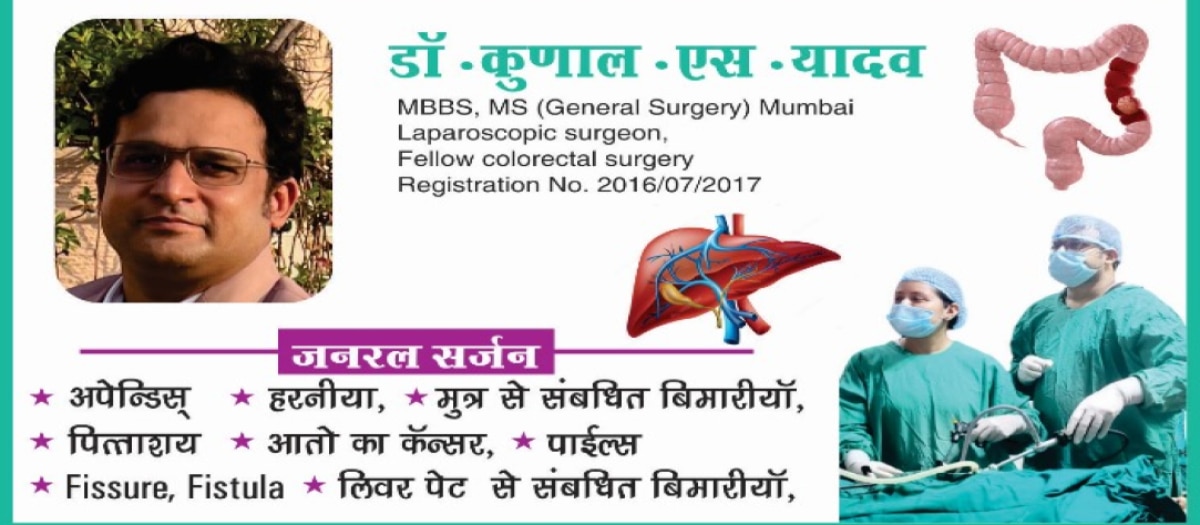
Meet Our Doctor

DR KUNAL YADAV

DR KUNAL YADAV

Laparoscopic and colorectal surgeon

Phone +91-8048037503

Expertise : Piles Surgery, Fistula Surgery, Fissure Surgery, Gallbladder Stone Removal Surgery, Liver Problems, Hernia Surgery, Appendix, Laparoscopic Surgeries, Anorectal Surgeries, etc

27 D, Borgaon Road, Near Dinshaw Factory, Gitthikhadan, Nagpur 440013 India

Latest Update

Happy Dussehra

It's Done!!

Your appointment is confirmed

Doctor Name:

Date & Time:

Contact:

Address: 27 D, Borgaon Road, Near Dinshaw Factory, Gitthikhadan, Nagpur 440013 India

Appointment details has also been shared with you on your mobile number . Please arrive atleast ten minnutes ahead of the scheduled time.

services