

+918048037503

Currently it only shows your basic business info. Start adding relevant business details such as description, images and products or services to gain your customers attention by using Boost 360 android app / iOS App / web portal.

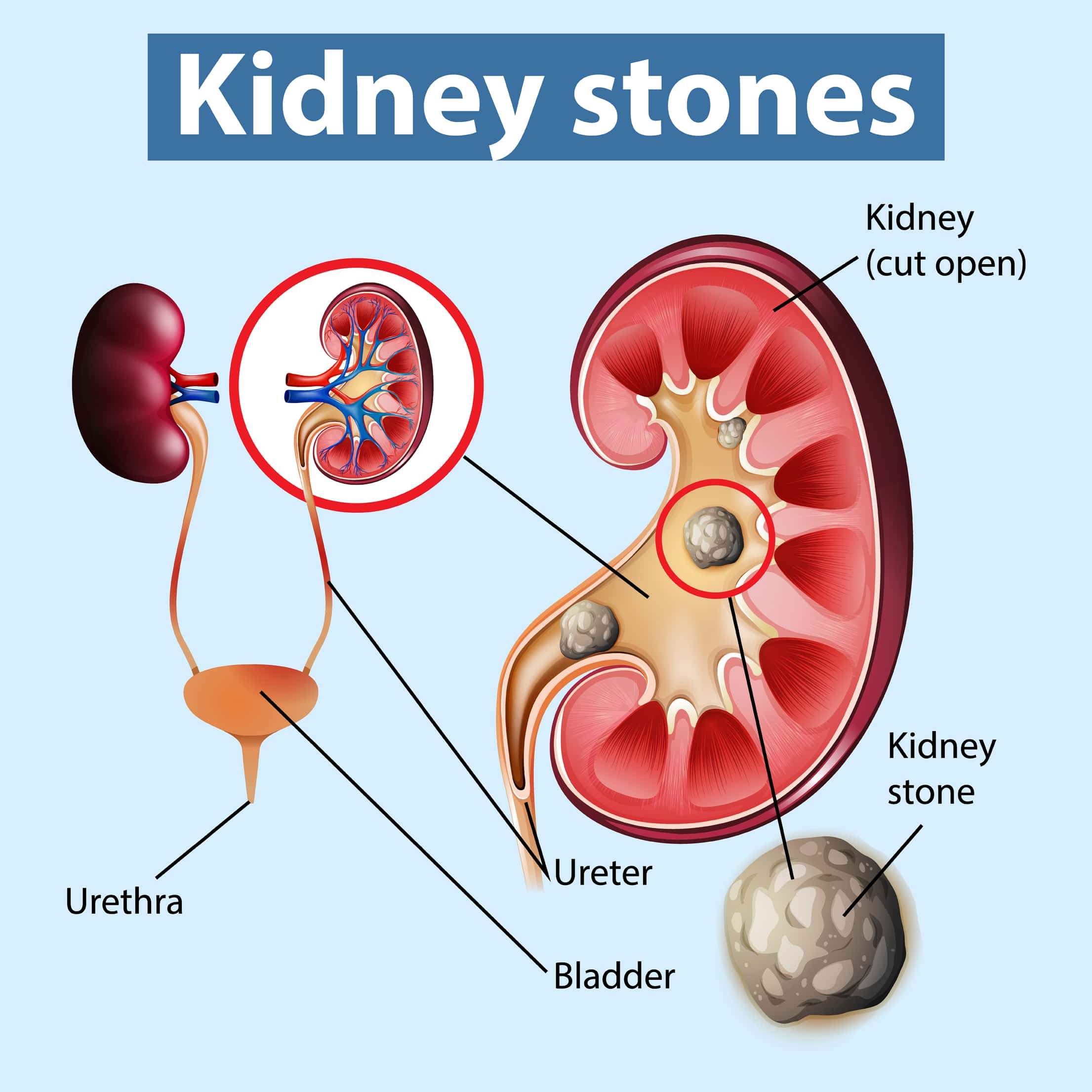
Renal stones, also known as kidney stones, are hard deposits of minerals and salts that form in the kidneys. They can vary in size and may be as small as a grain of sand or as large as a golf ball. Here’s a brief overview: Causes Kidney stones form when there’s an imbalance in the substances that make up urine. Common causes include: Dehydration: Not drinking enough water can lead to concentrated urine, which promotes stone formation. Diet: High intake of salt, sugar, or foods high in oxalates (like spinach or nuts) can increase the risk. Medical Conditions: Conditions such as hyperparathyroidism or certain metabolic disorders can contribute. Genetics: A family history of kidney stones can increase your risk. Types of Kidney Stones Calcium Stones: The most common type, often made of calcium oxalate or calcium phosphate. Struvite Stones: Often form in response to an infection in the urinary system. Uric Acid Stones: Can form in people who don't drink enough fluids or have high levels of uric acid. Cystine Stones: Rare and caused by a genetic disorder that leads to high levels of cystine in the urine. Symptoms Pain: Severe pain in the back, side, lower abdomen, or groin. This pain can come in waves. Hematuria: Blood in the urine, which can make it appear pink, red, or brown. Frequent Urination: Feeling the need to urinate more often or experiencing pain during urination. Nausea and Vomiting: Can occur if the pain is severe. Diagnosis Doctors may use a combination of the following: Imaging Tests: X-rays, CT scans, or ultrasounds to identify the presence and size of stones. Urinalysis: To check for blood, crystals, or signs of infection. Blood Tests: To assess kidney function and detect any imbalances in minerals.


